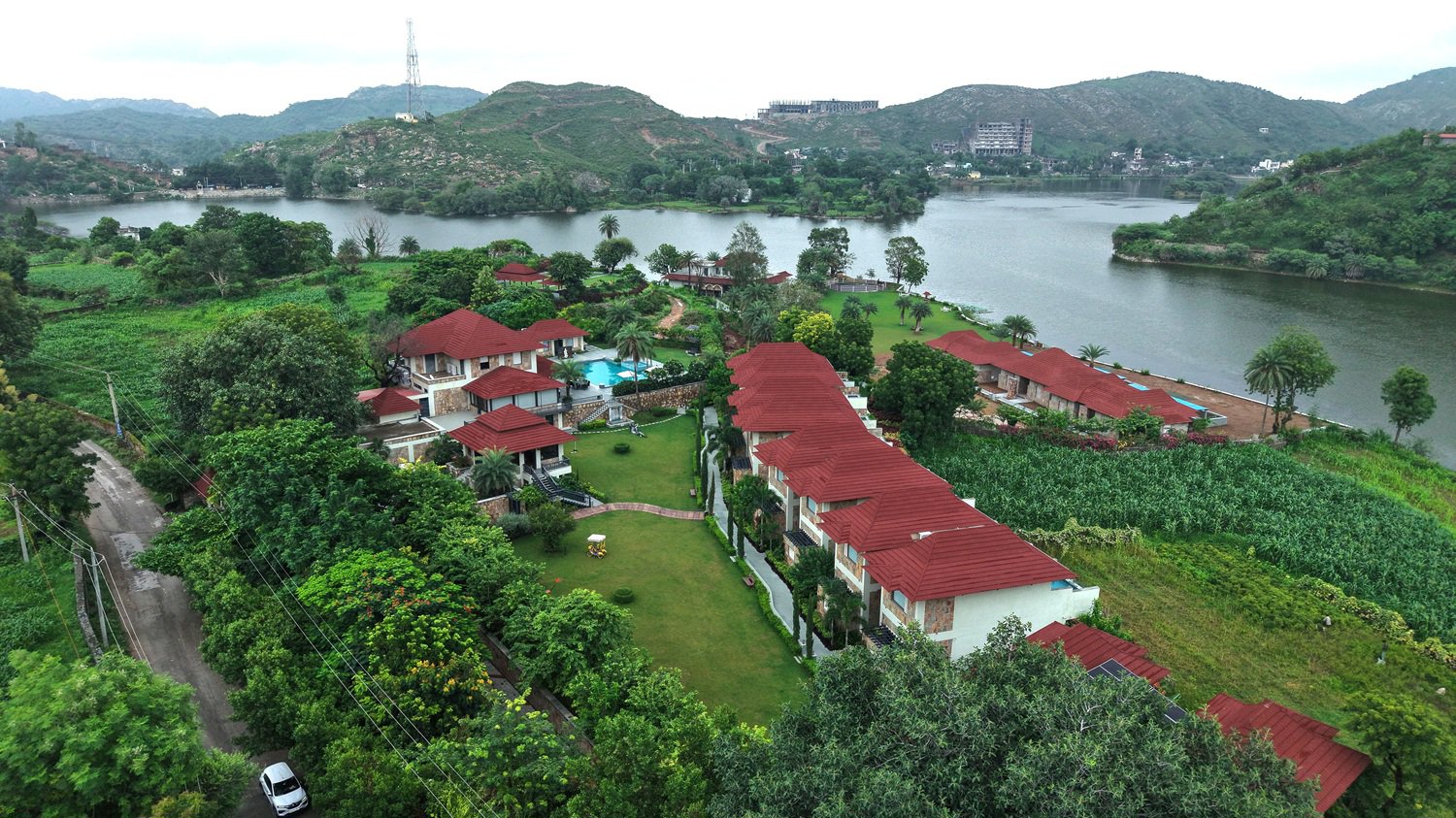
A change of surroundings can do wonders for a team that spends most of its working hours in meetings, managing deadlines, and working towards shared targets. A corporate retreat offers employees the opportunity to step away from daily routines, exchange ideas, and reconnect with colleagues in a more relaxed environment. With its scenic landscapes, comfortable resorts, and welcoming atmosphere, Udaipur makes an appealing destination for businesses looking to organise a meaningful team offsite.
Planning a successful corporate retreat in Udaipur involves more than choosing an attractive property. The right location, a well-structured agenda, suitable meeting facilities, and time for informal interaction all contribute to a productive experience.
1. Start with Clear Objectives for Your Corporate Retreat
Before shortlisting venues, decide what your organisation wants to achieve. A leadership retreat may focus on annual planning, while a team-building offsite may prioritise collaboration and employee engagement.
Define two or three primary outcomes, such as improving communication, reviewing business goals, welcoming new team members, or developing ideas for an upcoming project. These objectives will help determine the duration, activities, seating arrangements, and facilities required.
It is also worth asking employees about their expectations. A short internal survey can reveal whether the team would benefit more from strategy sessions, outdoor activities, wellness experiences, or a combination of work and leisure.
2. Choose a Resort That Supports Work and Relaxation
The venue can influence how comfortably your team works together. Look for a property that offers a peaceful setting without compromising on essential business facilities.
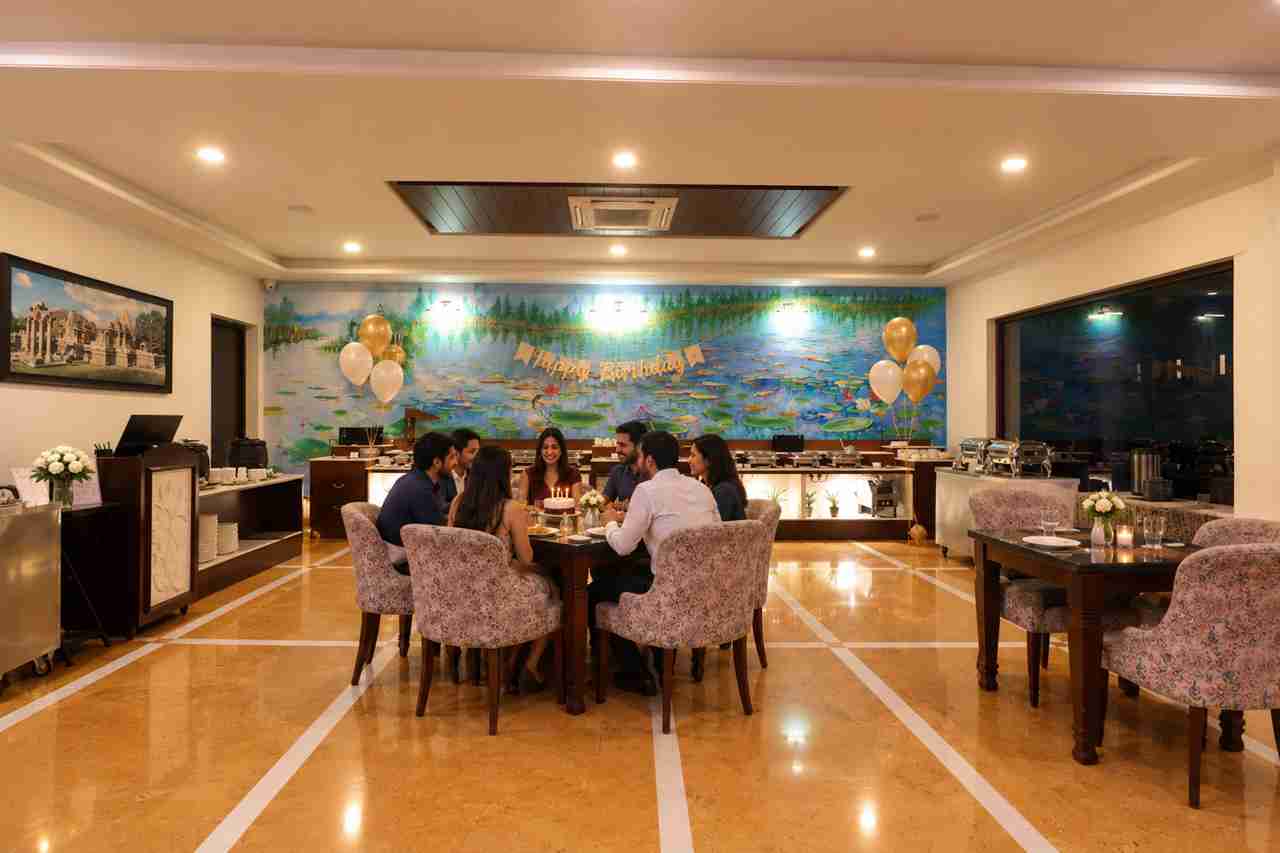
A well-equipped corporate event resort in Udaipur can provide a convenient setting for presentations, group discussions, team dinners, and informal networking, depending on the facilities available.
Before confirming your booking, check for:
- Meeting facilities: Suitable seating, presentation equipment, and a comfortable indoor space.
- Internet connectivity: Reliable Wi-Fi for video calls, presentations, and access to shared documents.
- Accommodation: Enough rooms for the group, with suitable arrangements for colleagues sharing or travelling individually.
- Dining options: Meal timings and menus that accommodate the team's schedule and dietary requirements.
- Recreational spaces: Areas where employees can relax between sessions or interact outside formal meetings.
A luxury resort in Udaipur may also offer a more relaxed atmosphere than a conventional conference setting. However, compare practical facilities and the overall package rather than choosing a property on appearance alone.
3. Build a Balanced and Purposeful Itinerary
An effective offsite should have structure without making every hour feel like another working day. Too many back-to-back sessions can leave employees tired, while an overly relaxed schedule may prevent the team from achieving its objectives.
Consider a two-day format if your team needs substantial discussion time.
Day 1: Alignment and collaboration
- Morning: Arrival, refreshments, and a brief introduction to the retreat's goals.
- Late morning: Strategy discussions, departmental reviews, or leadership presentations.
- Afternoon: Collaborative workshops and problem-solving exercises.
Evening: Informal networking, a group dinner, or a relaxed team activity.
Day 2: Planning and action
- Morning: Breakout sessions focused on specific business challenges.
- Late morning: Group presentations and feedback.
- Afternoon: Action planning, allocation of responsibilities, and closing remarks.
Keep breaks between sessions and allow some flexibility for discussions that need additional time. Share the agenda beforehand so employees can prepare relevant updates and questions.
4. Make Team-Building Activities Meaningful
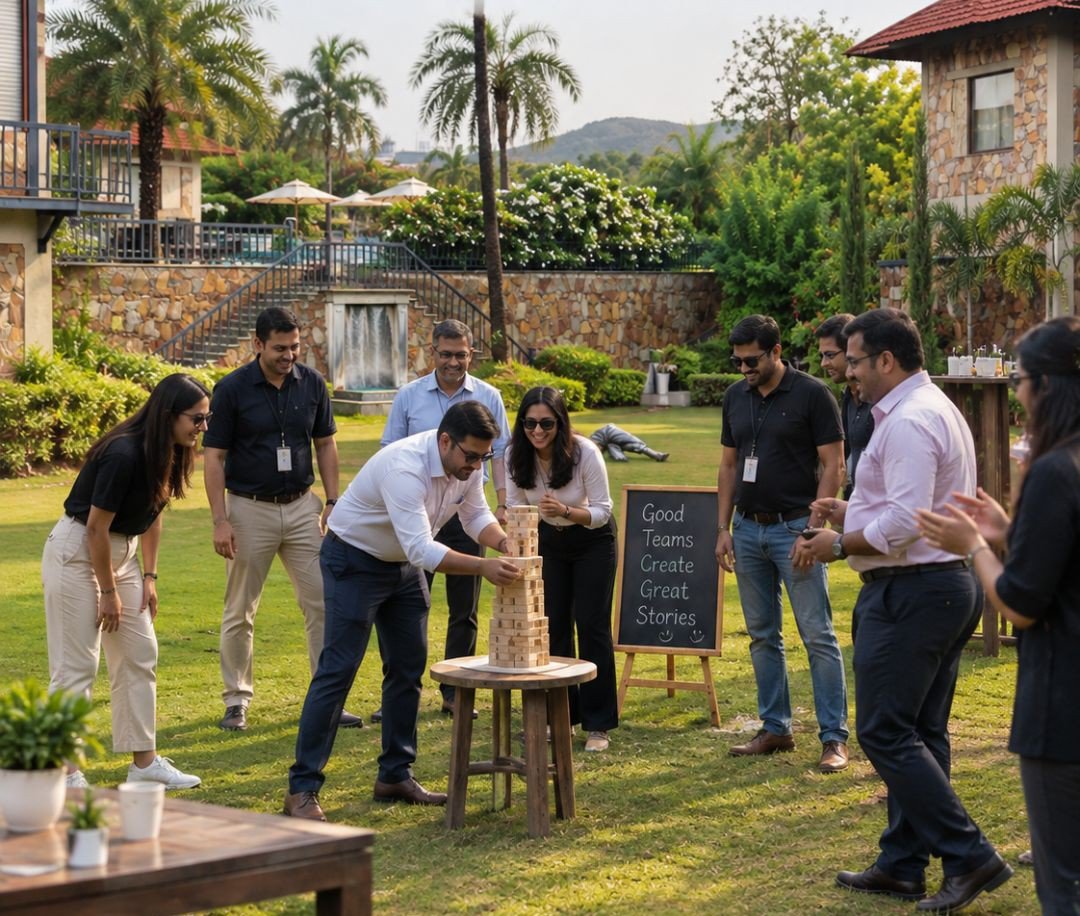
Team building works best when activities encourage genuine interaction rather than simply filling the schedule. Choose experiences that suit your employees' interests, physical abilities, and comfort levels.
Depending on the resort's facilities and local arrangements, suitable options may include collaborative challenges, creative workshops, informal games, guided local experiences, or group wellness sessions.
The purpose is to create opportunities for colleagues to interact beyond their usual roles. Avoid activities that single out employees, require unwanted participation, or create unnecessary competition.
A corporate meeting resort in Udaipur should ideally allow the team to move easily between focused work sessions and shared experiences. Confirm the availability of any activity spaces, equipment, facilitators, or external arrangements before promising them in the itinerary.
5. Plan the Budget and Logistics in Advance
A clear budget helps prevent last-minute changes and makes it easier to compare venues fairly. Request an itemised quotation rather than relying only on the advertised room rate.
Include accommodation, meals, meeting-space charges, audiovisual equipment, local transportation, activities, taxes, and any additional service fee. Clarify the minimum group size, payment schedule, cancellation terms, and policies for changes in attendance.
Other practical considerations include:
- Travel arrangements: Coordinate arrival times and transport from the airport, railway station, or other meeting points.
- Room allocation: Confirm room categories and occupancy preferences before sharing the final list.
- Dietary needs: Collect relevant meal preferences and communicate them to the resort in advance.
- Contingency planning: Keep an alternative arrangement for outdoor activities affected by weather.
- Point of contact: Assign one organiser to coordinate with the resort and communicate updates to employees.
6. Measure the Value of the Offsite After It Ends
A corporate retreat should produce outcomes that continue after everyone returns to the office. Close the event by summarising decisions, recording responsibilities, and assigning deadlines to agreed action points.
Within a few days, ask participants what worked well and what could be improved. A short feedback form can help assess the quality of sessions, venue, meals, and activities.
Track progress on the goals established before the retreat. For instance, if the objective was to improve cross-functional collaboration, schedule a follow-up review to assess whether the agreed processes are being implemented.
Final Thoughts
A productive corporate retreat combines purposeful discussions with enough space for employees to connect naturally. Udaipur offers an appealing backdrop for this balance, but the success of an offsite ultimately depends on thoughtful planning, suitable facilities, and realistic expectations.
Choose a venue that fits your team's objectives, create an agenda with room to breathe, and make sure every activity serves a clear purpose. With the right preparation, a corporate offsite can become more than a temporary break from the office – it can help teams return with stronger working relationships and a clearer direction.
FAQ
Udaipur offers scenic surroundings and a relaxed atmosphere for team discussions, strategic planning, and employee engagement away from the usual office environment.
Compare meeting facilities, accommodation, internet connectivity, dining options, group activities, accessibility, and the overall event package before booking.
Depending on the venue, you can include team-building games, brainstorming workshops, leadership sessions, wellness activities, and informal networking dinners.
A one-day offsite can suit focused meetings, while a two-day retreat provides more time for workshops, team-building activities, and informal discussions.
Set a budget covering accommodation, meals, meeting spaces, transportation, activities, equipment, taxes, and contingency expenses. Request an itemised quotation before confirming the venue.